About Us
About Us


Background of the Founder of Guqi Tai Chi

The Value of Tai Chi
Ranked as the top hospital in the United States by U.S. News & World Report, Mayo Clinic states that practicing Tai Chi can help reduce stress, anxiety, and depression; improve aerobic capacity, energy, and endurance; boost the immune system; and relieve joint pain.
One of the world’s highest-paid models, Gisele Bündchen, has integrated Tai Chi into her daily life.
Currently, more than 100 million people across over 150 countries and regions practice Tai Chi.
Tai Chi was recently inscribed on UNESCO’s Representative List of the Intangible Cultural Heritage of Humanity. One of the key criteria for selection is whether the nominated tradition represents “a masterpiece of human creative genius” and makes “a unique or at least exceptional contribution to cultural tradition or civilization.”
The value of Tai Chi is now recognized worldwide.
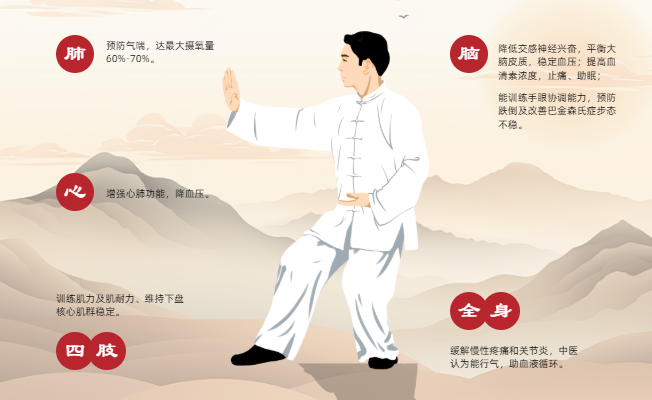

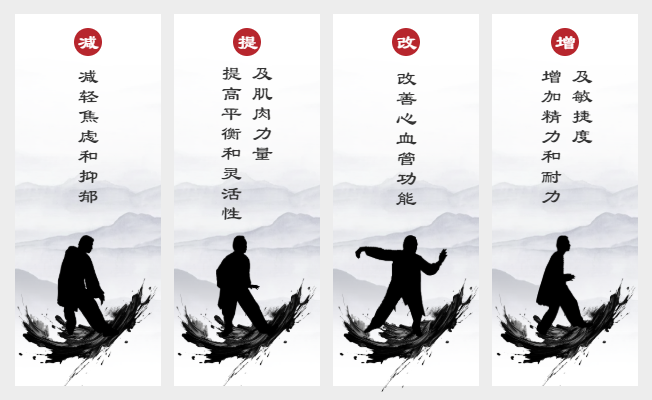
Benefits of Practicing Tai Chi
Unique Features and Distinctions of Guqi Tai Chi
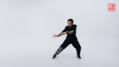
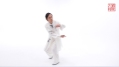
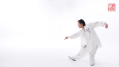
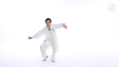
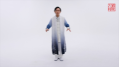
Unique Features and Distinctions of Guqi Tai Chi
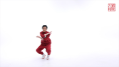
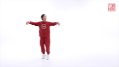
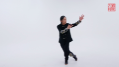
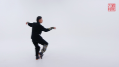
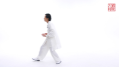
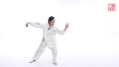
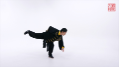
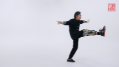
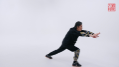
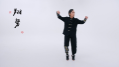
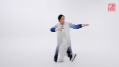
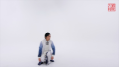
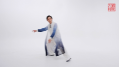
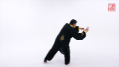
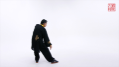
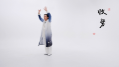
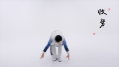
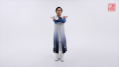
GU CHI Tai Chi retains the foundational forms of traditional Tai Chi but introduces thoughtful modifications and innovations to make the practice more accessible and engaging for learners. One of its most distinctive features is the incorporation of toe-lifting (tiptoe) movements into the sequence.
As early as over 2,000 years ago, the Western Han text “Yin Shu” mentioned the “Dun Zhong Method”—an exercise involving tiptoeing, which was believed to help release stagnant qi in the chest. According to Traditional Chinese Medicine (TCM), six meridians pass through the feet—three yin and three yang—each corresponding to the kidneys, liver, spleen, stomach, gallbladder, and bladder. Regular toe-lifting stimulates the kidney meridian, replenishing kidney qi—an ancient technique known as “Fu Yang Da Fa” for boosting yang energy.
Toe-lifting also contracts the calf muscles, enhancing venous return, preventing varicose veins, and improving overall blood circulation. It can momentarily accelerate heart rate, increase oxygen supply to the myocardium, improve heart function, and help prevent strokes. Additionally, it stimulates the bladder meridian, potentially alleviating urinary issues.
Abdominal breathing is known to increase respiratory strength and enhance lung function, aiding recovery for those with pulmonary conditions. Normal breathing primarily uses the upper and middle portions of the lungs, leaving one-third of the alveoli filled with stale air, which increases the risk of infections such as pneumonia. Abdominal breathing moves the diaphragm up and down, stimulating seven abdominal meridians and massaging internal organs including the heart, liver, spleen, lungs, kidneys, and intestines—thereby supporting the body’s self-healing capacity.
The wave-like tiptoe movements in GU CHI Tai Chi greatly enhance the range of abdominal breathing compared to traditional Tai Chi, significantly improving pulmonary gas exchange efficiency.
In TCM, the five tones in music correspond to the five elements, which in turn relate to the five internal organs. Modern medicine has confirmed that classical music can soothe emotions, reduce pain, alleviate depression and anxiety, regulate blood pressure, and even aid in treating dementia.
Classical pieces such as “The Swan” by Saint-Saëns stimulate the brain’s production of alpha waves, which promote the release of dopamine, serotonin, and endorphins. This results in emotional calm, pain relief, reduced anxiety and depression, regulated blood pressure, and an enhanced sense of well-being.
During Tai Chi practice, it is often difficult for beginners to control their breath and focus their intention. However, the graceful, flowing melody of “The Swan” perfectly matches the three-dimensional, spiral, wave-like movements of GU CHI Tai Chi. Beginners can naturally fall into rhythm, deeply relax, and enter a meditative state, thereby achieving better training outcomes.
The movements of GU CHI Tai Chi are expansive, elegant, and graceful. When performed to the soul-stirring, emotionally resonant music of “The Swan,” practitioners experience a dual beauty—both physical and auditory. Because the practice itself is enjoyable, people are more likely to continue long-term and reap lifelong benefits.